Compression Tester
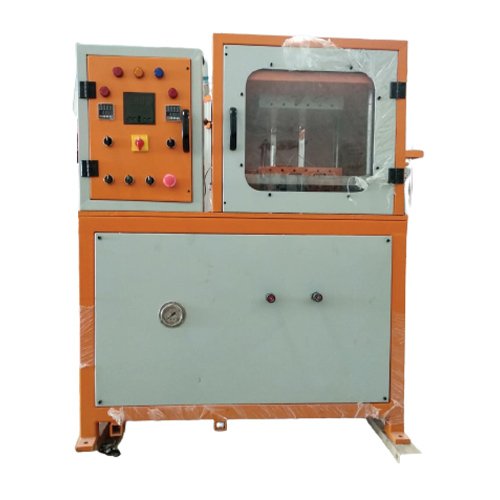
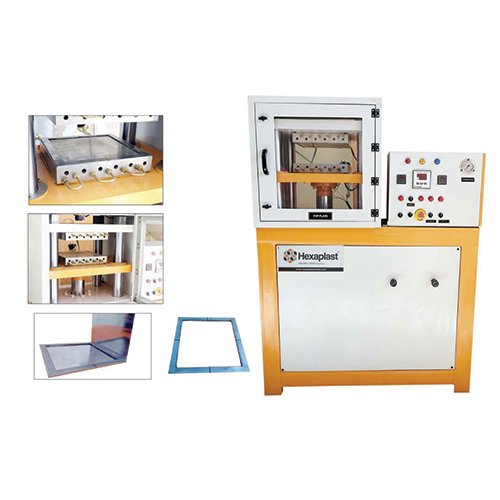
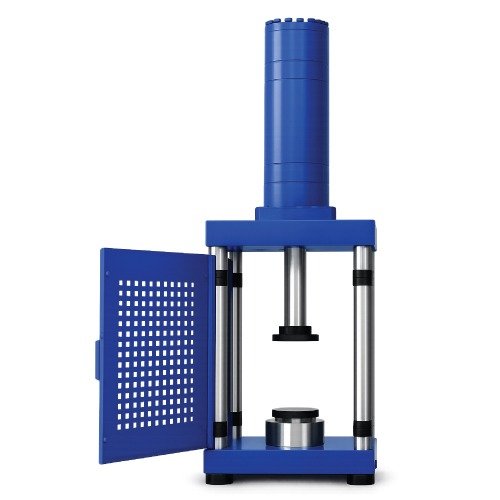
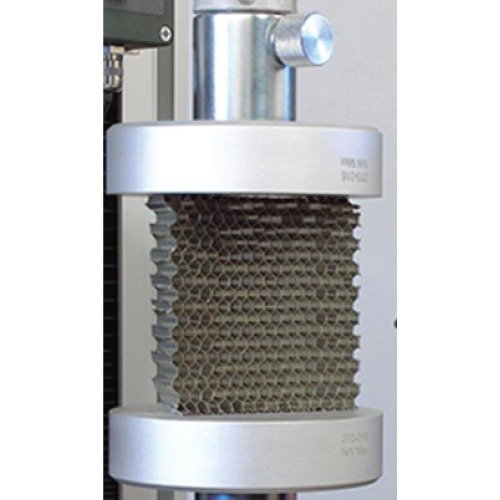
A plastics compression test machine applies controlled inward, crushing force to a polymer sample. It evaluates key mechanical properties such as compressive strength, yield point, and deformation under heavy loads. These tests are critical for ensuring plastic parts, packaging, and structural components withstand real-world stress.
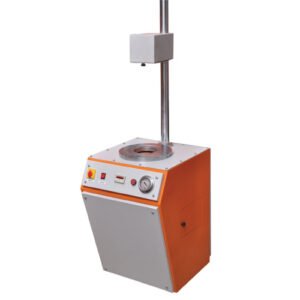
A compression testing machine, or CTM, is used to find a material’s compressive strength. The sample will experience compressive force from the CTM until it breaks. The load is applied to the sample by a piston that is housed inside a cylinder and moves up and down as the cylinder revolves.
Definition of compression test
- Compression tests are performed to characterize the behavior of a material under compressive loading.
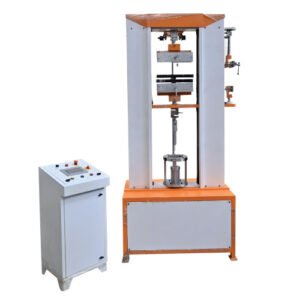
- During the test, pressure is applied to a specimen using compression platens or special tools mounted on a universal testing machine to determine various properties of the material being tested.
- The test data delivers results in the form of a stress-strain diagram that displays among other things, the elastic limit, the proportionality limit, the yield point and, in some cases, the compressive strength.
These machines help engineers model how plastic components (like gears, pipes, and foam packaging) will perform in their final operational environments. Tests are generally conducted in strict adherence to global standards like ASTM D695 (for rigid plastics) or ASTM D1621 (for rigid cellular plastics).
Compression testing machine is used for following:
- Plastics materials
- Plastics products
- Plastics Pallets
- Paper Boxes
- Corrugated Boxes
- Wooden Boxes
- Metal Boxes
- Luggage
- Furniture like Chair, Bed
- Rubber products
- Medical Devices
|
Capacity |
2000 Kn |
|
Platen size in mm |
300 mm dia |
|
Ram Dia in mm |
205 mm |
|
Ram Travel in mm |
50 mm |
|
Vertical daylight in mm |
350 mm |
|
Horizontal daylight in mm |
350 mm |
|
Weight approx in kg |
760 Kg |
|
Platen hardness |
More than 550 Vickers hardness |
|
Electric Motor |
1 HP, Single Phase |
|
Operation on |
220 V AC Single Phase. |
|
Least count |
0.1 KN or better |
|
Pace rate control |
Manual control from 1 KN/Sec to 20 KN/sec |
|
Pumping |
Motorized |
|
Pump Speed |
Dual speed |
|
Motor |
Induction Motor |
|
Reading |
Digital |
|
Accuracy |
± 1% |
|
Release valve operation |
Required |
|
Auto stop after failure of specimen |
Available, machine stops after completion of test |
|
Auto Release of Pressure after specimen failure |
Not Available, Need to release pressure manually after the completion of test |
|
Calculation of result |
Automatic |
|
Holding of Max. Load |
Available |
|
Pace Rate or Rate of Loading indication |
Available |
|
Operator skill to control Pace Rate |
Required and very difficult to maintain |
|
Bar Graph |
Available (Optional) |
|
Load indication and Control |
Digital membrane key pad controller |
|
Saving of records |
Possible-10 reading |
|
Pen drive slot (Optional) |
saves reading in excel format, Record date-time, Sr no and Peak load |
|
Printer interface (Direct connectivity to printer w/o computer) |
Available at extra cost |
|
Computer operation software and data Acquisition software |
Available at extra cost |
|
Piston over travel safety cut off |
Available at extra cost |
|
Over load safety cut off |
Available |
|
Shot circuit protection |
Available |
- Load Frame & Cell:A robust frame holds the specimen, while a load cell transducer accurately measures the applied force.
- Compression Plates/Platens:Adjustable plates apply uniform pressure to the sample.
- Digital Control Panel:Modern units use touchscreen interfaces for test configuration and monitoring.
- Data Acquisition:Software records, stores, and generates reports on data such as stress, strain, and deformation.