Conditioning Chamber / Climate Chamber
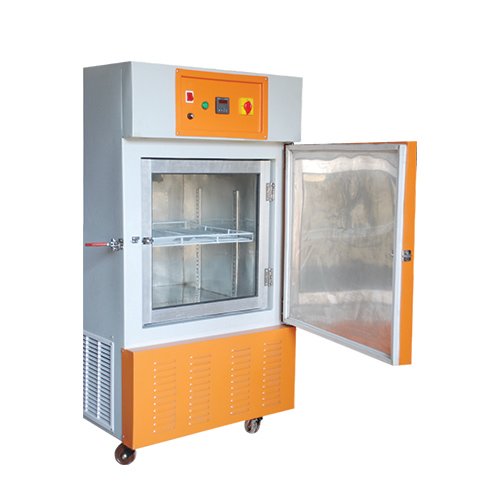
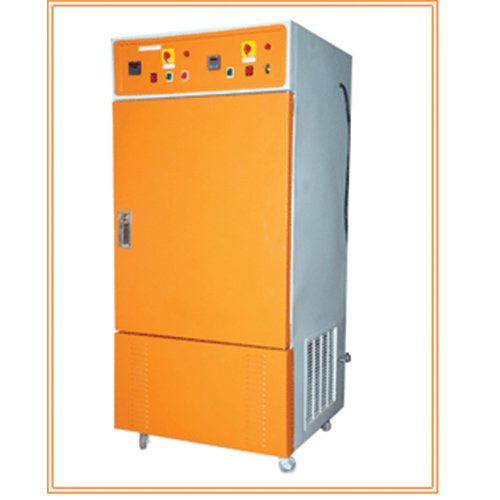
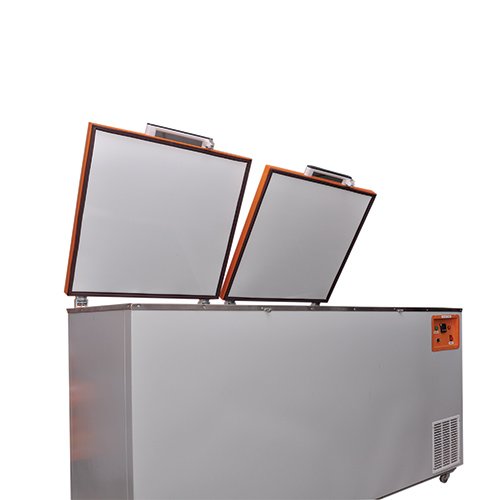

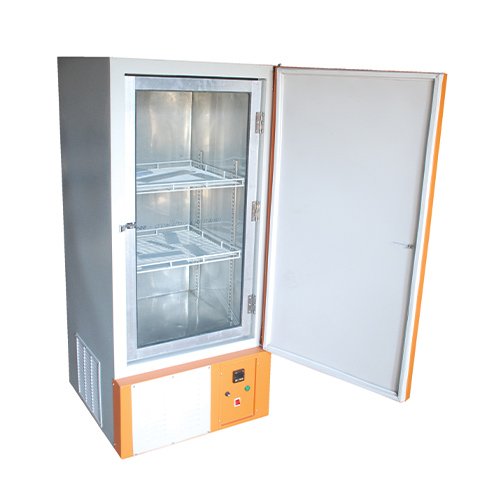
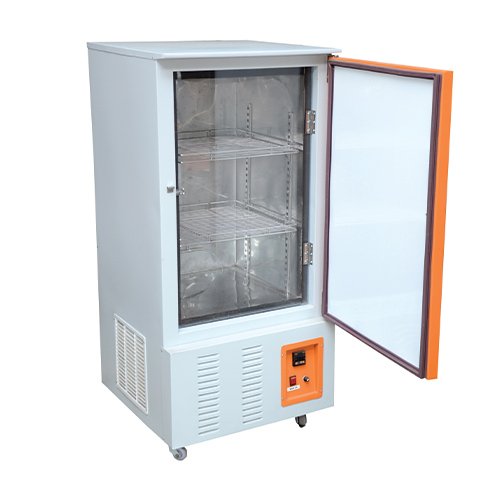


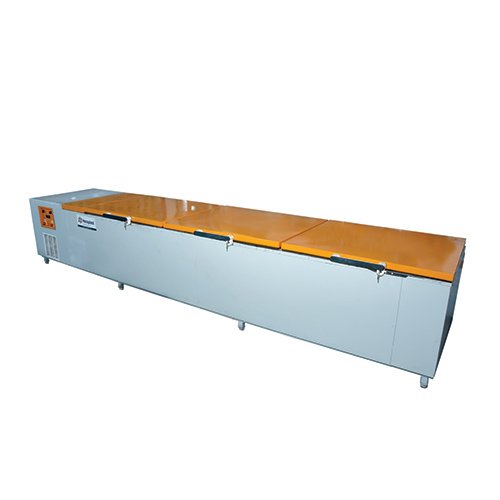
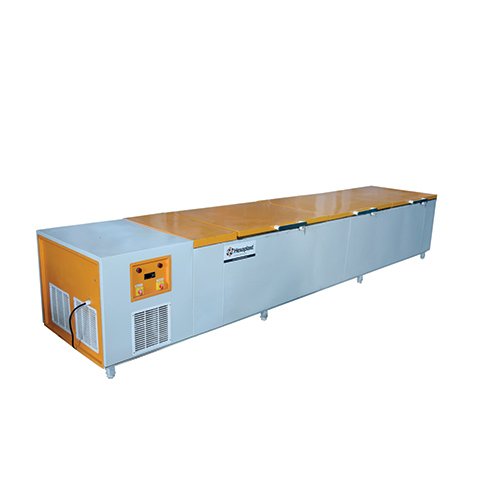

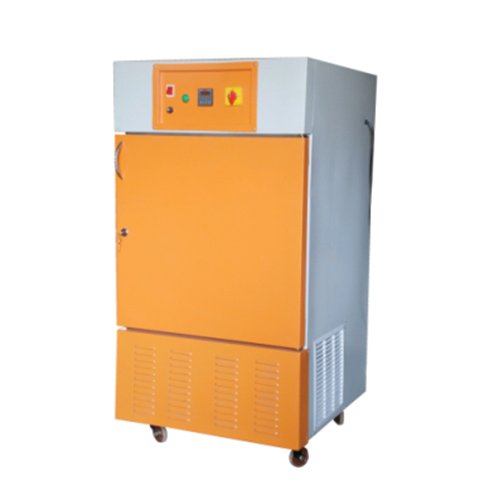
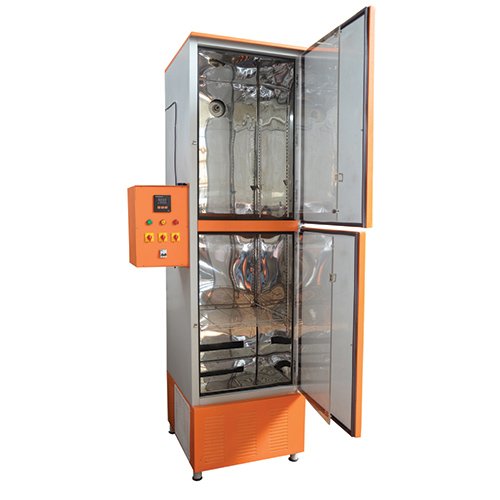
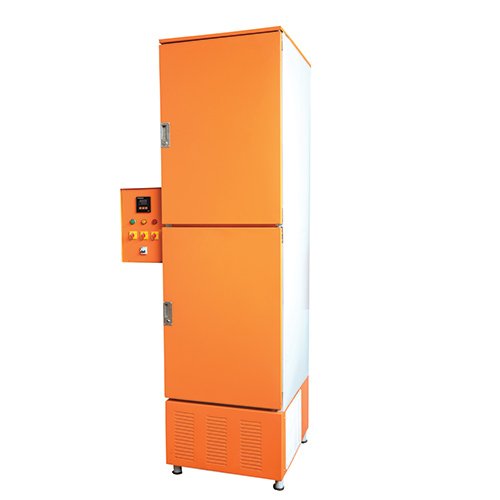
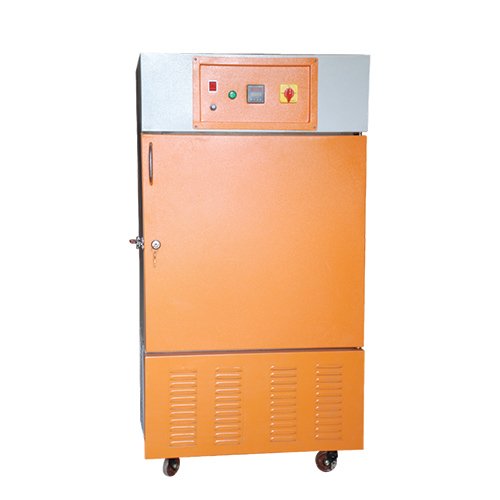
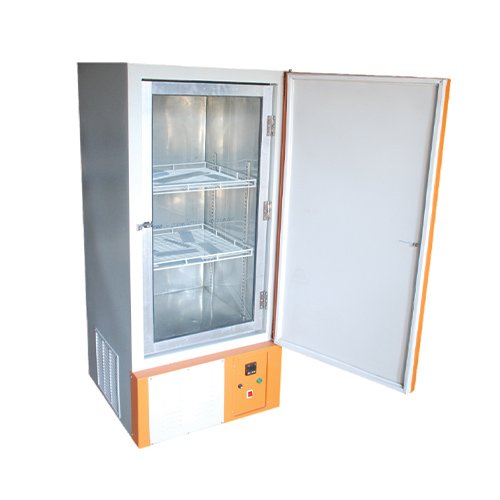
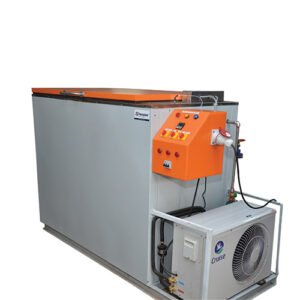
A climatic chamber (also known as a conditioning chamber or environmental test chamber) is a sealed, insulated enclosure used to test how products, materials, and components react to controlled environmental conditions. In plastic pipe, Plastic/rubber moulded or extruded products manufacturing, Plastics Films, Plastics woven tarpaulins, Bags, Plastics Chairs, Helmets, Car Parts, Railway Parts etc., these chambers condition specimens at precise temperatures and humidity levels before mechanical testing to ensure standardized, repeatable results
A climatic chamber (or environmental chamber) is a specialized enclosure used to test the effects of specific environmental conditions—like extreme temperatures, humidity, and solar radiation—on products, materials, and biological items. It simulates harsh real-world climates to ensure durability, reliability, and regulatory compliance across various industries.
- Testing Variables: Precisely controls temperature – often ranging from (-) 70°C to (+180°C), relative humidity, altitude, and vibrations.
- Pharmaceuticals: Used for accelerated aging and stability testing to comply with international regulations (such as ICH guidelines).
- Electronics & Automotive: Subjects components to thermal shock and varying weather zones to prevent failures in the field.
- Biology & Agriculture: Provides a controlled habitat for plant cultivation, insect breeding, and food photo-stability testing.
Product details – HPIPL – 200
|
Display |
Digital LED Display or LCD Screen Display or HMI-PLC control |
|
External Body Material |
Powder Coated Steel (Standard Models), Stainless Steel – 304 grade (GMP Models) |
|
External Dimensions (W x D x H) |
800 x 1100 x 1200 mm |
|
Temperature Range & Accuracy |
Minus 40 Degree C to 150 Degree C, +/- 1 Degree C |
|
Temperature & Humidity control |
Digital or Microprocessor with Capacitance type sensor |
|
Humidity Range (Rh) & Accuracy |
40% to 95%, +- 3% |
|
Illumination |
8 Watts Fluorescent Tube |
|
Insulation |
70 mm minimum for Body & 80 mm for Door, CFC free polyurethane foam |
|
Internal Body Material |
Stainless Steel – 304 grade (Standard Models), Stainless Steel – 316 grade (GMP Models) |
|
Internal Dimensions (W x D x H) |
660 x 700 x 500 mm |
|
Internal Volume |
200 Litres |
|
Number of Shelves |
2 |
|
Power Failure Alarm |
Visual Alarm |
|
Recommended Voltage Stabilizer |
Please use voltage stabiliser |
|
Supply |
220-240 Volts, 50 Hz Single Phase. |
|
|
|
|
|
|
We can make this chambers from 50 Litre capacity to 300 Litre or even Walk –in chambers can be made based on customer need.
- Structural Components
- Insulated Enclosure: Double-walled stainless steel interior with high-density polyurethane insulation to minimize heat transfer.
- Hermetic Door Seal: Multi-layer silicone gaskets paired with heavy-duty latches to prevent moisture or temperature leaks.
- Observation Window: Multi-pane heated glass window that prevents condensation so operators can view the interior.
- Access Ports: Rubber-plugged side openings that allow external test cables or sensors to pass into the chamber.
- Environmental Control Systems
- Heating System: Electric resistance heaters that quickly raise the internal air temperature.
- Refrigeration System: Mechanical compressors (often using eco-friendly refrigerants) or liquid nitrogen for sub-zero cooling.
- Humidification System: Steam generators or ultrasonic atomizers that introduce precise moisture vapour into the chamber.
- Dehumidification System: Refrigerated cooling coils that condense and remove moisture from the circulating air.
- Air Circulation: Internal fan-and-baffle system that forces air continuously to maintain uniform temperature and humidity throughout the chamber.
- Monitoring and Control Technology
- Digital Controller: Digital controller for parameter setting and control of temperature and cycles.
- Microprocessor Controller: Programmable PLC or digital touch-screen interface used to set constant conditions or complex profile cycles.(Optional)
- Sensors: High-precision RTD (PT-100) temperature sensors and capacitive relative humidity (RH) sensors.
- Safety Cut-offs: Independent over-temperature and under-temperature limit switches to protect samples from system failures.
- Data Logging: Built-in memory or USB/Ethernet connectivity to record environmental data for quality assurance compliance.(Optional)